
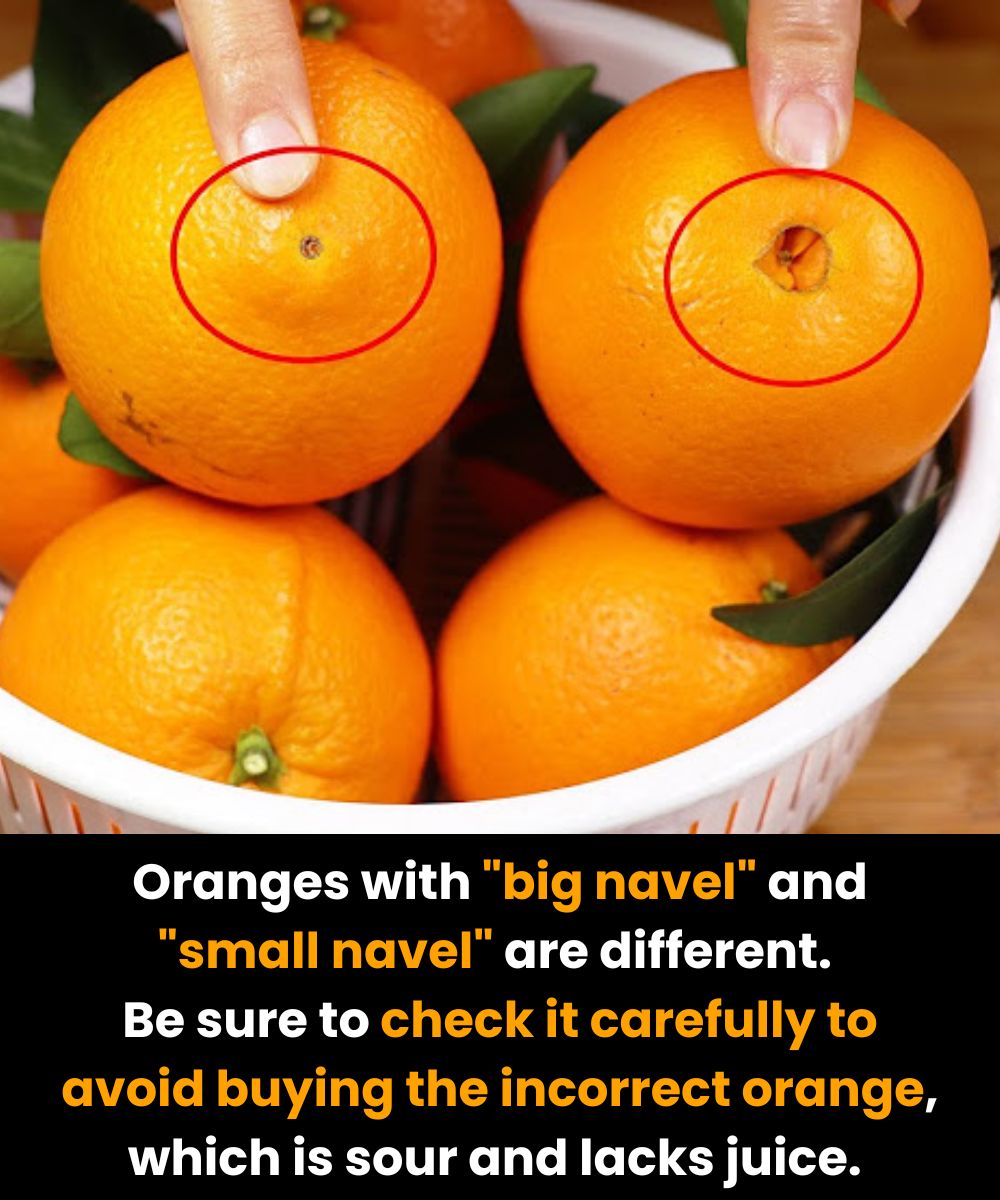
As we age, nutrition becomes one of the most powerful ways to keep a good health, energy, and immunity. Fruits especially citrus fruits like navel oranges play a crucial role in this. But if you’ve ever stood in the grocery aisle wondering whether to buy large or small navel oranges, you’re not alone. Both types are high in nutrients, but there are a few subtle differences that can make one a better choice relying on your needs after age 50.
Understanding Navel Oranges
Navel oranges get their name from the small “navel-like” formation on one end of the fruit. They’re seedless, easy to peel, and known for their naturally sweet and refreshing taste. These oranges are excellent sources of vitamin C, fiber, and antioxidants – all essential nutrients for healthy aging.
Both large and small navel oranges come from the same variety; the main difference lies in their size, sugar content, and texture, which can slightly influence their nutritional benefits and how suitable they are for older adults.
Nutritional Comparison
In general, small navel oranges tend to be sweeter and denser in flavor because they consist of less water per bite, meaning a more concentrated natural sugar and nutrient profile. They’re also easier to peel and chew, making them ideal for seniors who prefer softer, smaller portions.
On the other hand, large navel oranges usually contain more juice and hydration. Their water content is slightly higher, which helps keep the body hydrated especially important since older adults are more prone to dehydration. However, their flavor may be a bit milder, and their thicker peel can be harder to handle for those with weaker grip strength or arthritis.
Benefits for Adults Over 50
