
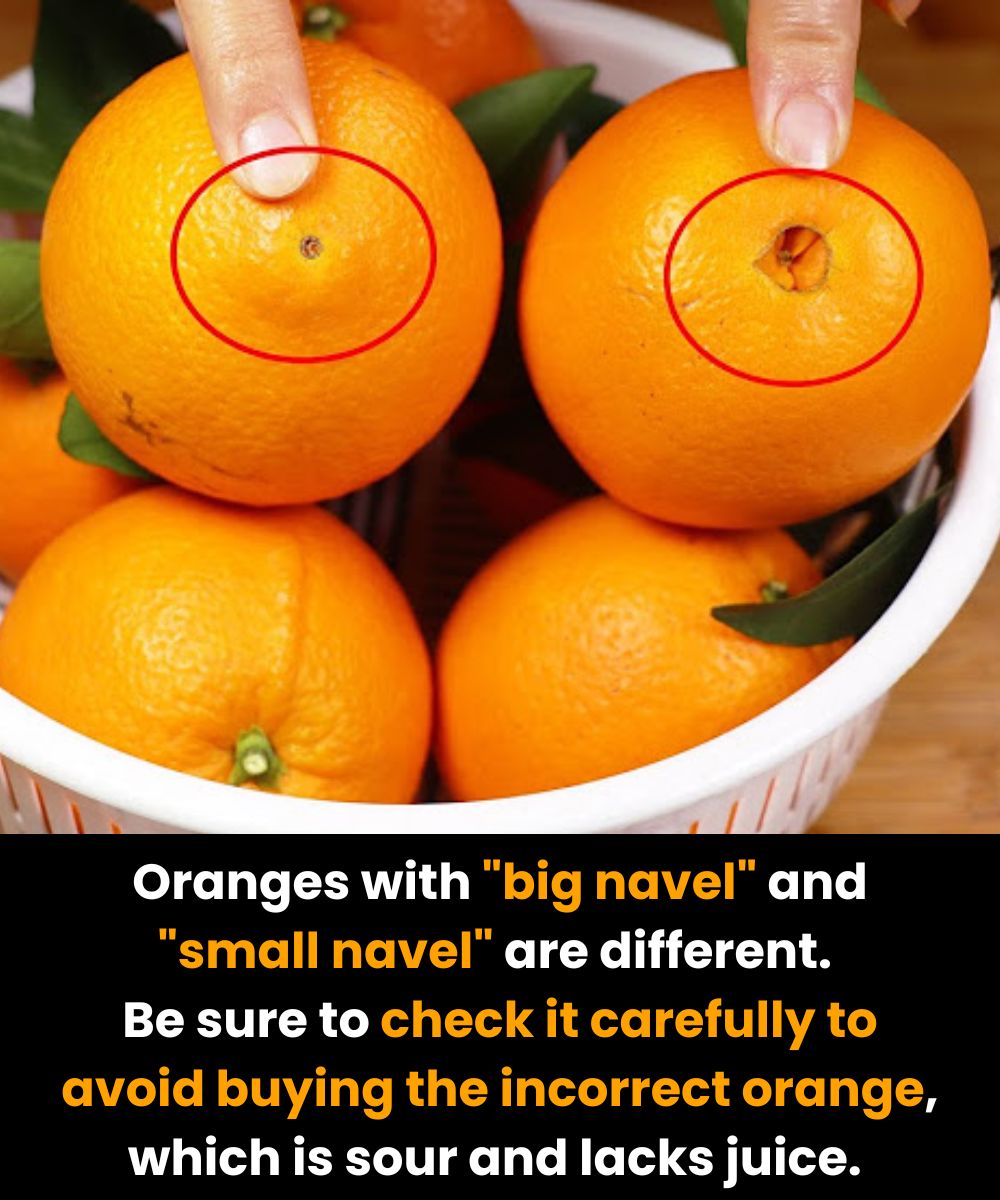
For individuals over 50, both types of navel oranges offer tremendous benefits:
Improves Immunity: The high vitamin C content encourages immune function, helping the body combat infections and reduce inflammation.
Supports Heart Health: The natural fiber in oranges helps manage cholesterol and blood pressure levels.
Enhances Skin and Joint Health: Vitamin C aids collagen production, keeping skin firm and supporting joint flexibility.
Improves Digestion: Dietary fiber prevents constipation, a common concer:n in older adults.
Hydration and Energy: The natural sugars and water content offer a gentle energy boost without spikes in bl00d sugar.
So Which Is Better After 50?
It depends on your priorities.
If you’re looking for hydration and a refreshing snack, large navel oranges are perfect. Their higher water content helps maintain electrolyte balance and supports kidney function.
If you prefer a sweeter, more flavorful fruit that’s easy to handle, small navel oranges might be your best choice. Their thinner skin and concentrated taste make them convenient and satisfying.
Ultimately, the nutritional value is almost identical, so the best choice is the one you’ll enjoy eating regularly. Consistency matters more than size.
Tips for Enjoying Navel Oranges After 50
Consume them fresh to preserve vitamin C levels.
Add orange slices to salads for extra color and nutrients.
Drink fresh-squeezed juice in moderation—whole fruits offer more fiber.
Store oranges in a cool, dry place to keep them firm and juicy.
Final Thoughts
Whether you select large or small navel oranges, both deliver the same core health benefits that encourage strong immunity, heart health, and vitality after 50. The key is to make them a regular part of your diet. So next time you shop, pick the ones that look freshest and smell the sweetest because when it comes to oranges, size may vary, but goodness never does.
